Lisini Estate
Tradition meets innovation

The Lisini estate spans approximately 150 hectares in the southern area of Montalcino, located 8 Km from the town center and just 1 Km from the village of Sant’Angelo in Colle.
Estate
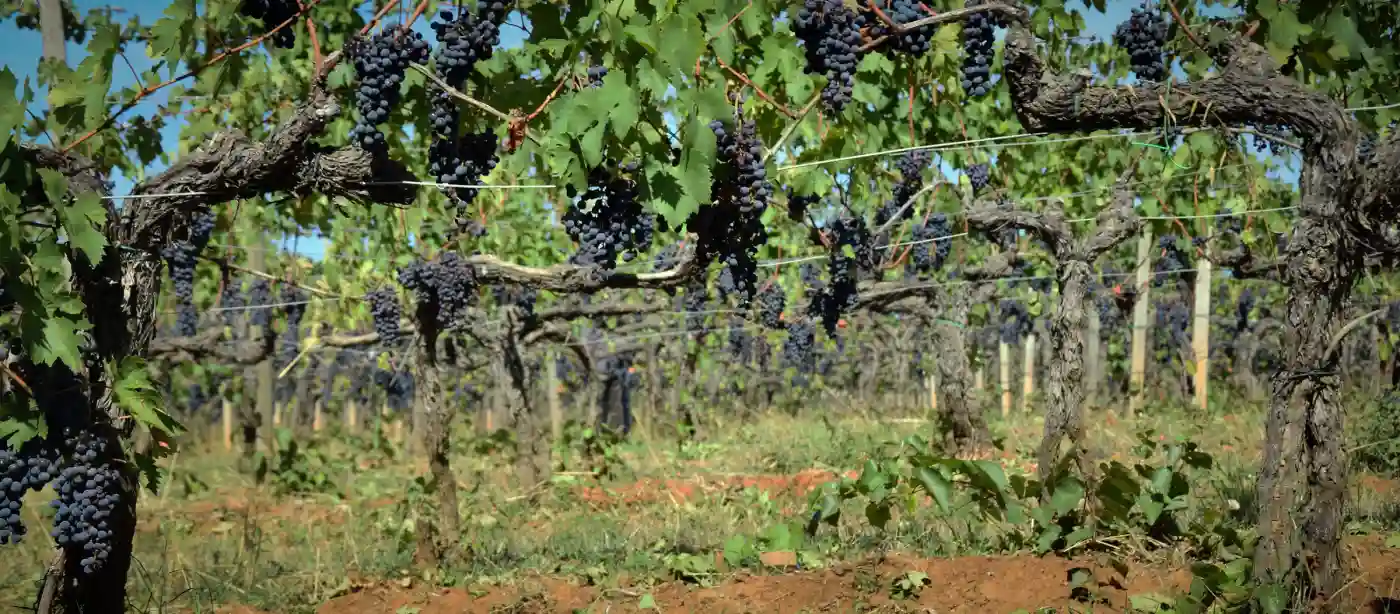
The 27 hectares of vineyards enjoy a privileged position, benefiting from optimal altitudes and exposures. Meticulous care—carried out with absolute dedication even in the most challenging vintages—results in exceptional grapes that define one of the finest Brunello di Montalcino wines.
In particular, the vineyards are open to sea breezes coming from the Maremma, creating a unique microclimate that sets this area apart from other zones within the municipality. This exceptional terroir is characterized by reduced rainfall and a complete absence of fog.
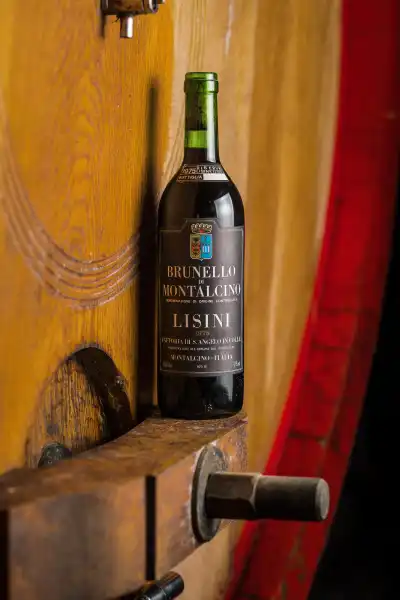
The Vines & Terroir
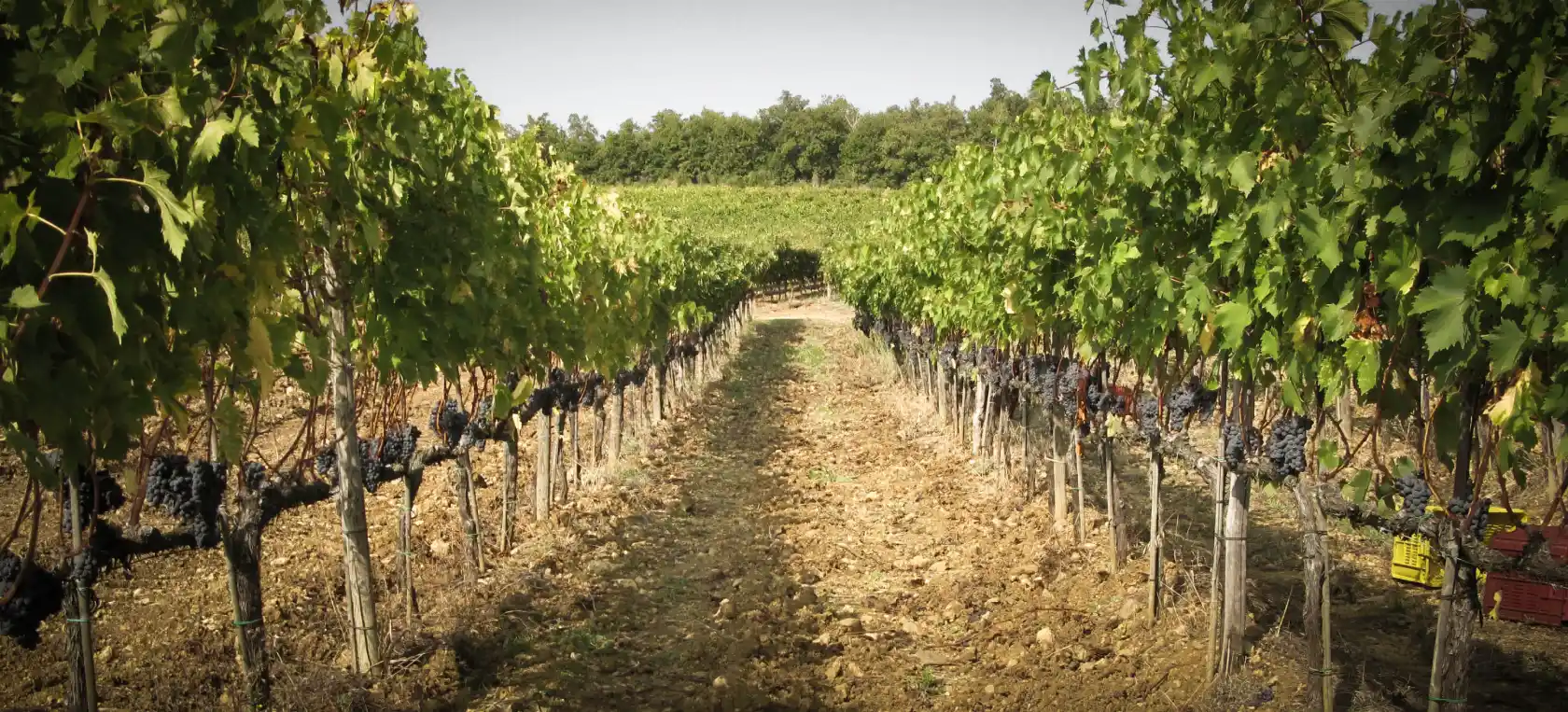
The vineyards are situated near Sant’Angelo in Colle, at altitudes ranging from 350 to 500 meters above sea level—the ideal environment for cultivating Sangiovese, the only grape variety grown on the estate.
Years before the boom in Brunello di Montalcino, the Lisini estate was already renowned for the quality of its Extra Virgin Olive Oil. This excellence was, and still is, a direct result of the same extraordinary geographical and climatic features that shape the superior quality of our grapes.
While geographical position and vineyard exposure play a primary role in achieving winemaking excellence, an equally vital role is played by the people who have worked here for years with passion and dedication to consistently maintain the products at absolute highest standards.
History

The noble Lisini-Clementi family boasts ancient roots deeply tied to the Montalcino territory since the mid-16th century, as documented by historical records preserved in the family archives.
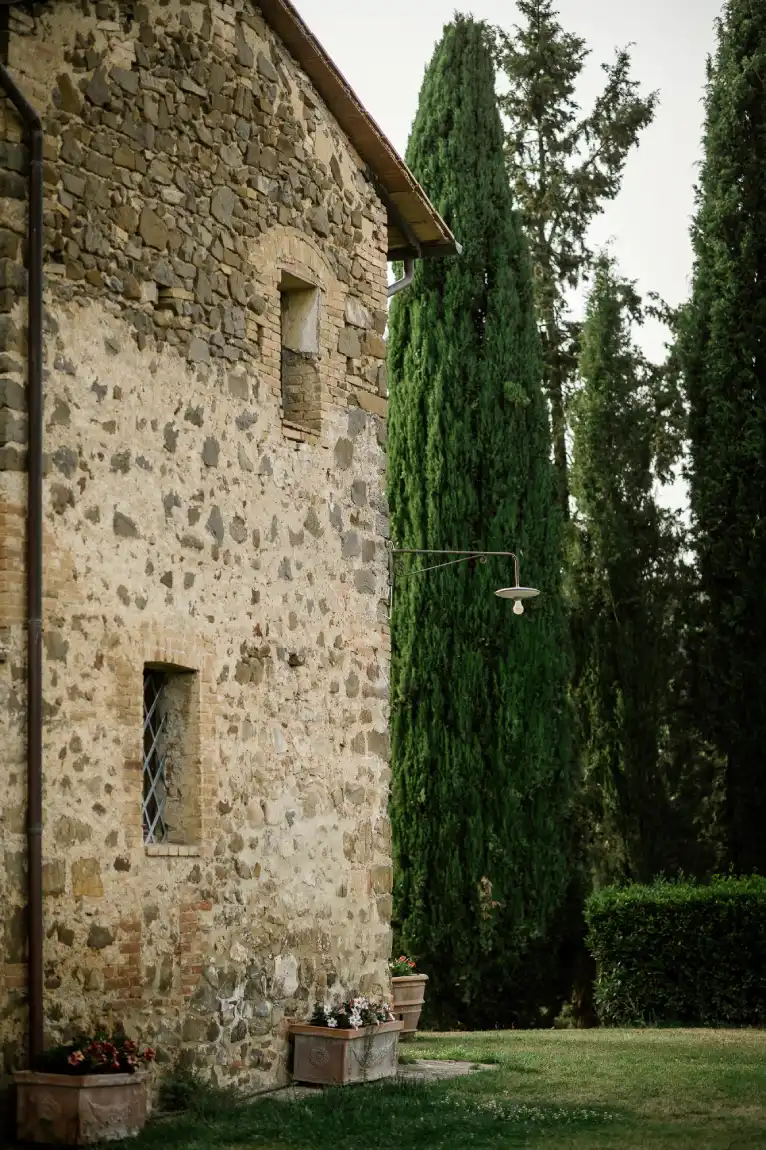
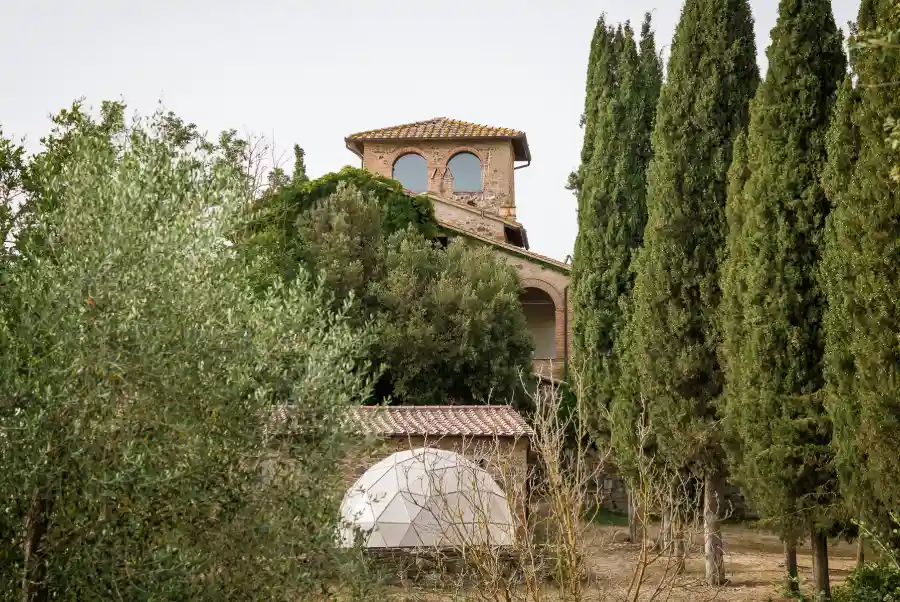
The 154 hectares of privately owned land surround the ancient farmhouse. Its tower, overlooking a beautiful courtyard and a terracotta loggia in the classic Senese tradition, dates back to the 1300s. Today, this estate stands as the beating heart of the company, housing both the cellars and modern offices.
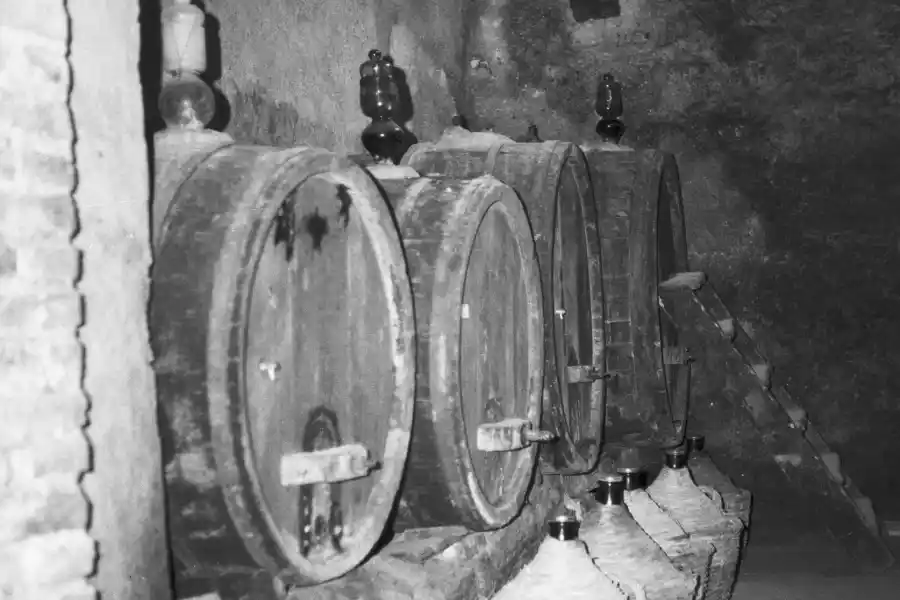
Historically, the family distinguished itself through prominent roles in medicine and military service. In the early 1700s, Captain Silvio Clementi resided in Montalcino at Palazzo Pecci and acquired various properties in Sant’Angelo in Colle, establishing a lineage that continued until the passing of the last great-granddaughter in 1983.
Few estates and families can boast such an unbroken, continuous period of ownership as the Lisini estate.
In 1846, the Clementi and Lisini families were united through the marriage of Francesca Clementi and Lodovico Lisini. As a result, the Lisini family’s properties in Radda in Chianti were added to the Clementi estates in Sant’Angelo in Colle.
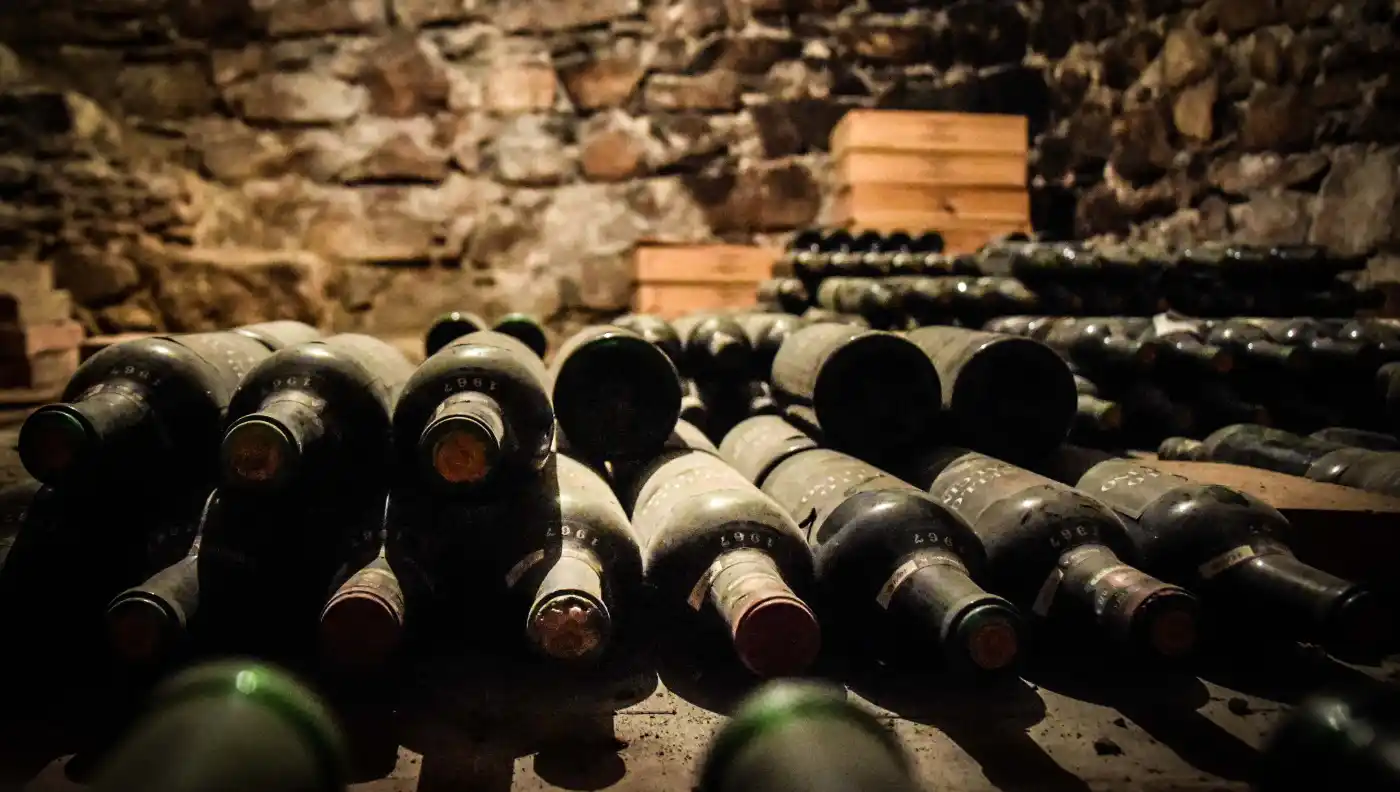
The couple’s son, Alessandro, chose to dedicate his life to scholarly pursuits rather than managing the family estates. He achieved distinction as a historian, numismatist, and archivist, serving first as director of the State Archives of Siena, and later of Venice. He was also called to serve as the Mayor of Siena from 1900 to 1905.
In 1876, Lodovico was born from Alessandro’s marriage to the noblewoman Elina Paluffi, cousin of the poet Giuseppe Giusti. Unlike his father, Lodovico managed the family estates with immense passion. Having inherited the Montalcino properties (while his sister Emma was assigned the Chianti lands), he immediately recognized the incredible vocation of these soils, which until then had been underutilized. He began planting and cultivating numerous vineyards, many of which remained in production until recent times.
Lodovico’s marriage to Caterina Ciampolini brought four children: Maria (mother of Lorenzo and Carlo), Elina, Alessandro (father of Ludovica), and Giovangualberto (father of Alessandro, Caterina, and Benedetta). Following his passing in 1950, management of the estate was taken over by his enterprising daughter, Elina, who became the estate administrator in 1962 and remained at the helm until her passing in 2009.
The passion and tenacity that always defined Elina’s work were the keys to the success and prestige of the Lisini estate. She won a difficult wager during the 1960s and 1970s—a period when the countryside was largely abandoned in favor of more profitable city jobs during Italy’s post-war economic miracle. In 1967, alongside 24 other estates, Elina co-founded the Consorzio del Brunello di Montalcino, serving as its President for a period of time.
Today, her nephews and nieces—Carlo, Lorenzo, Ludovica, Alessandro, and Caterina—proudly continue her legacy, honoring an ancient family tradition.